
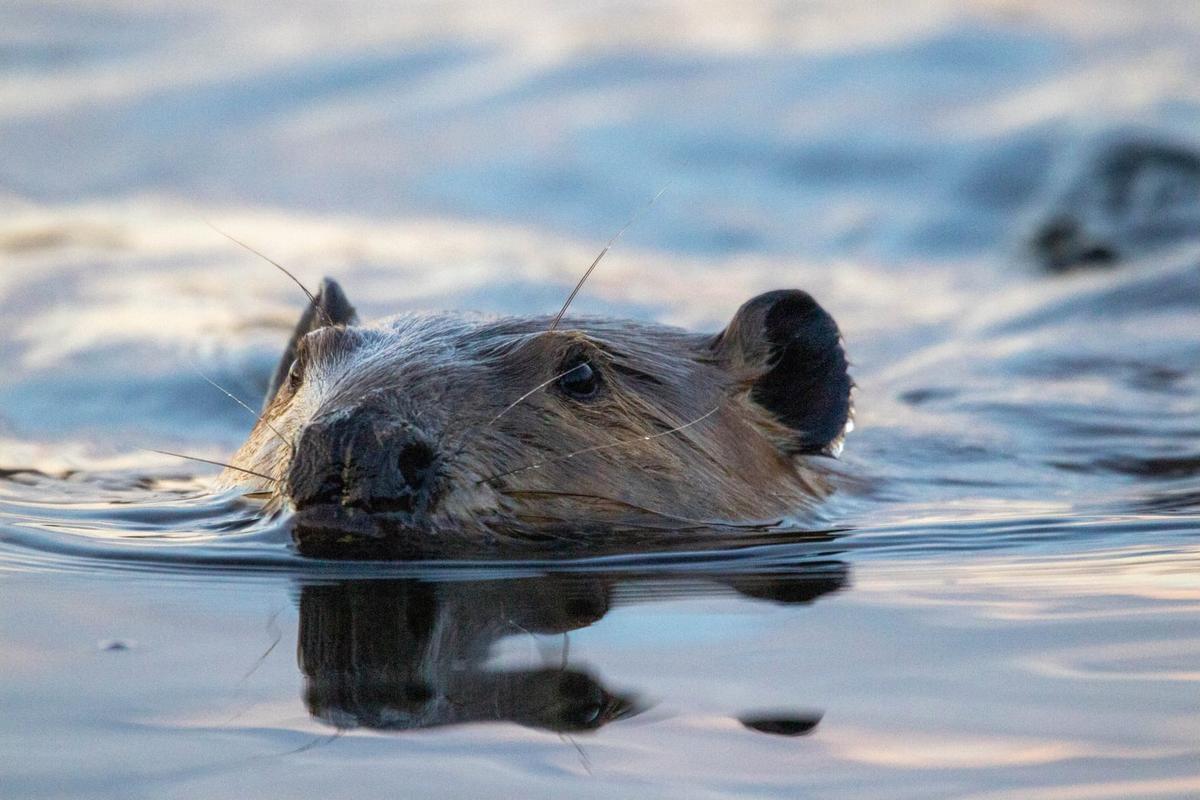
Beavers have been recorded in the Kamloops area, and the first thing to understand is that the surrounding country is dry grassland, where standing water is scarce and valuable. When a dam backs water onto a road, a field or a culvert, the answer is to control the water level rather than tear the dam out. We offer beaver flooding work, including pond levelers, culvert protection and long-term coexistence plans, and we start by working out how the water moves.
Are there beavers around Kamloops?
Beavers have been recorded in the Tranquille Wildlife Management Area, which lies 18 km west of Kamloops on Kamloops Lake (Government of British Columbia, Tranquille Wildlife Management Area). The same record lists muskrat, mule deer, black bear and river otter, and says coyote are sighted frequently there. A beaver in the area does not mean a dam is flooding anything. The first job is finding out whether a dam is there, whether it is active, and where the water is going. If beavers are already backing water onto your property, see our beaver removal work in Kamloops.
Why does water matter so much in dry country?
In dry grassland a wetland is an unusual feature. The Tranquille area is managed for valuable wetland habitat for waterfowl and other wetland-dependent species (Government of British Columbia, Tranquille Wildlife Management Area). That is why our approach is to hold the water level rather than remove a dam outright. A pond that holds water through a dry summer is worth keeping if its level can be held below the point where it floods a road, a field or a culvert.
Should a dam be removed or the water level controlled?
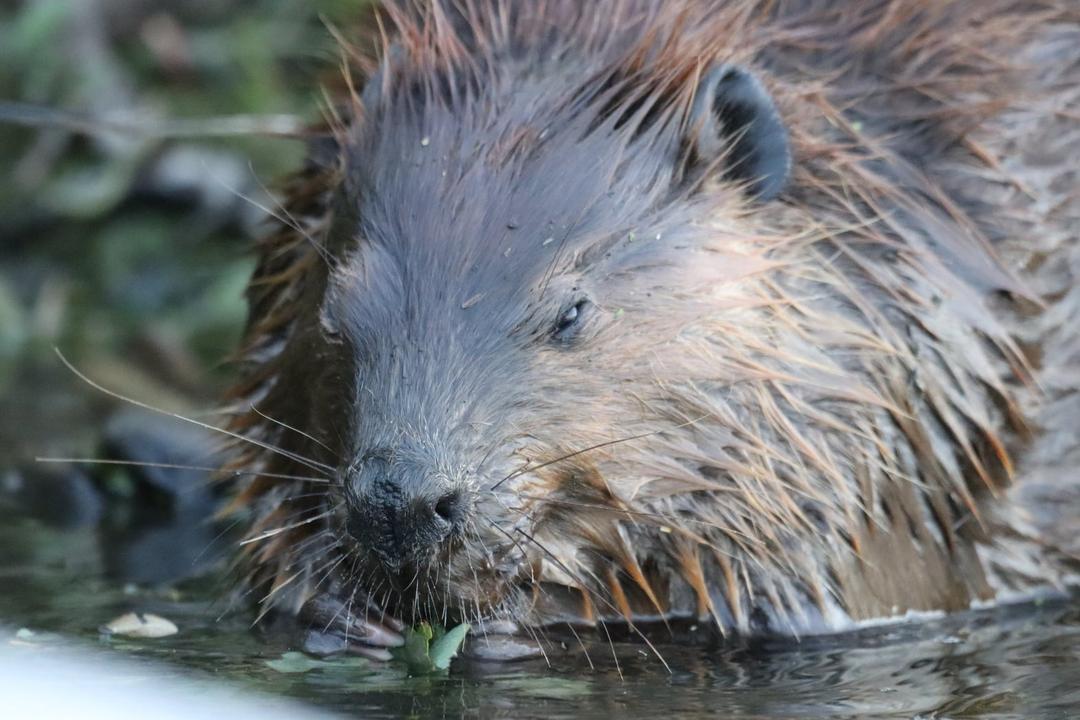
Our approach is to control the level instead. Removing or breaching a dam usually brings the beavers back to rebuild it, and the sudden release can push a surge of water downstream during spring runoff. A pond leveler is a pipe run through the dam with its intake set at the level you want to hold, so the pond keeps its water and the excess drains away without a flood.
| Option | What it does | Where it fits | Main limit |
|---|---|---|---|
| Dam breaching or removal | Lowers the water quickly | Short-term relief where the dam is not needed | Beavers rebuild, and the surge can cause new damage |
| Pond leveler | Holds the pond at a set level | Dams that back water onto roads, fields or drainage | Needs correct sizing and regular checks |
| Culvert leveler or combo device | Protects a crossing from blockage | Culverts on active beaver drainages | Must be fitted to each crossing |
| Tree protection | Keeps trunks from being girdled | Valued trees near a pond or stream | Covers trees, not water levels |
Breaching, removing or otherwise altering a dam can need provincial authorization, so check the BC rules for beaver dam removal before you cut anything.
Stock beaver deceivers are a common culvert device, and we do not install them. They are often undersized for spring runoff, beavers and debris can block them, and they need regular clearing. At culverts we use our own combo devices, an exclusion fence with a pond leveler through it sized to each crossing, and our own culvert levelers, which we install with a method we developed and guarantee to be beaver-proof. On our Clapperton Creek project in the Nicola watershed, we fitted pond levelers in three beaver dams, and that is the kind of work we would bring to a site like yours (our Clapperton Creek project).
How do you tell if a beaver dam is active?
Cut a test notch in the dam, about as wide as a boot and about 2 inches deep, just enough for the water to start making noise. Then check the notch the next morning. If the beavers have repaired it overnight, the dam is active. This is our method for checking activity, and it gives a clear answer before anyone commits to a level control design.
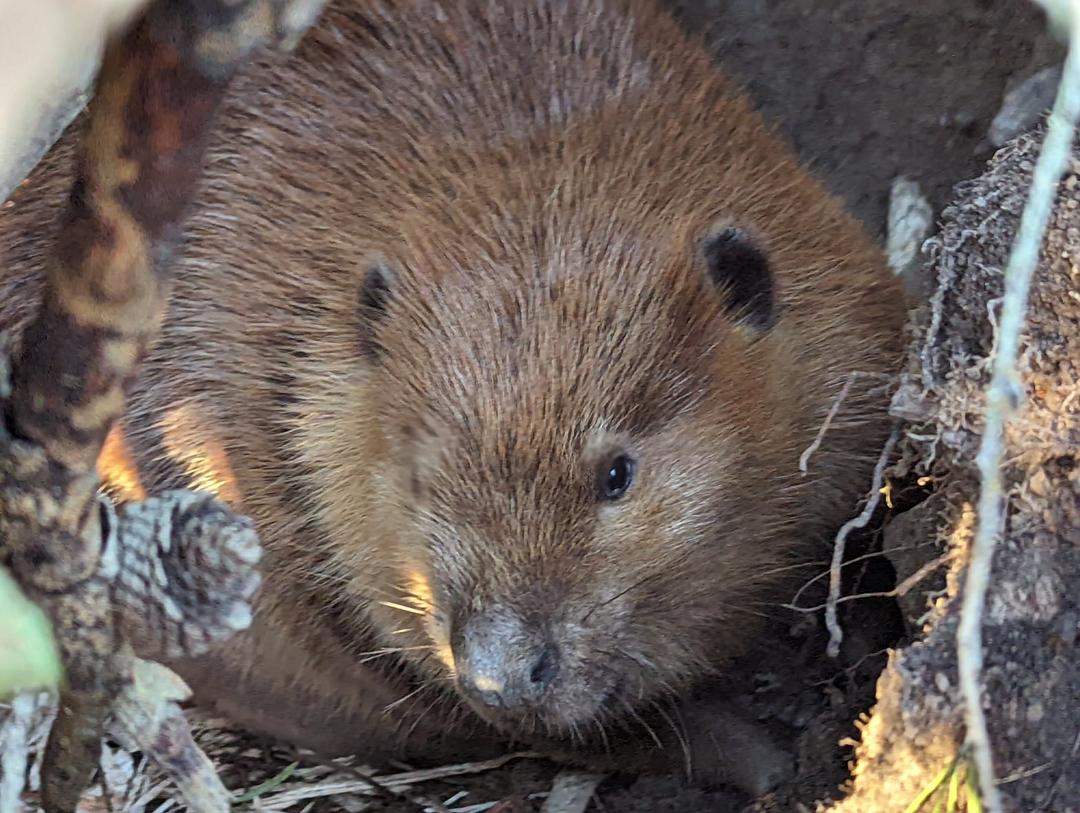
For a wider view of the Interior, our beaver control work across the BC Interior covers the same assessment on other drainages.
Sources
- Government of British Columbia, Tranquille Wildlife Management Area (2026): https://www2.gov.bc.ca/gov/content/environment/plants-animals-ecosystems/wildlife/wildlife-habitats/conservation-lands/wma/wmas-list/tranquille
Common questions
Can beaver dams near Kamloops be removed?
Some can, but removal is rarely the best first step. Breaching or removing a dam can need provincial authorization, and beavers often rebuild it. We usually look at controlling the water level first.
What drives the scope of beaver work on a property?
The scope depends on how many dams are involved, whether water is reaching a road, field or culvert, the size of the crossing, and how easily machines can reach the site. Whether monitoring is needed afterwards also shapes the plan. We set the scope after an on-site assessment.
Do you install beaver deceivers at culverts?
No. We do not install beaver deceivers, because stock designs are often undersized for spring runoff and can be blocked by beavers and debris. At culverts we use our own combo devices and culvert levelers.
How can I check whether a beaver dam is still active?
Cut a test notch about as wide as a boot and about 2 inches deep, just enough for the water to make noise, then check the next morning. Overnight repair means the dam is active. This is our method for checking activity.